January 22, 2026
MARIETTA, GA - January 22, 2026 -
K L Contractor Plumbing Inc has released a new blog post titled “Troubleshooting: Bathroom Sink Filling Up With Water and How to Fix It,” which explains why a bathroom sink can fill with water even when the faucet is off. The company published the article to help homeowners understand what causes sink backups, what to check first, and when to call a licensed plumber for safe drain repair.
A bathroom sink that fills up with water can confuse many homeowners. It can also create stress when water rises in the basin without warning. In most cases, the issue does not involve a supply leak. The issue starts in the drain system. Water cannot move through the drain line as it should, so it returns to the sink instead of flowing away.
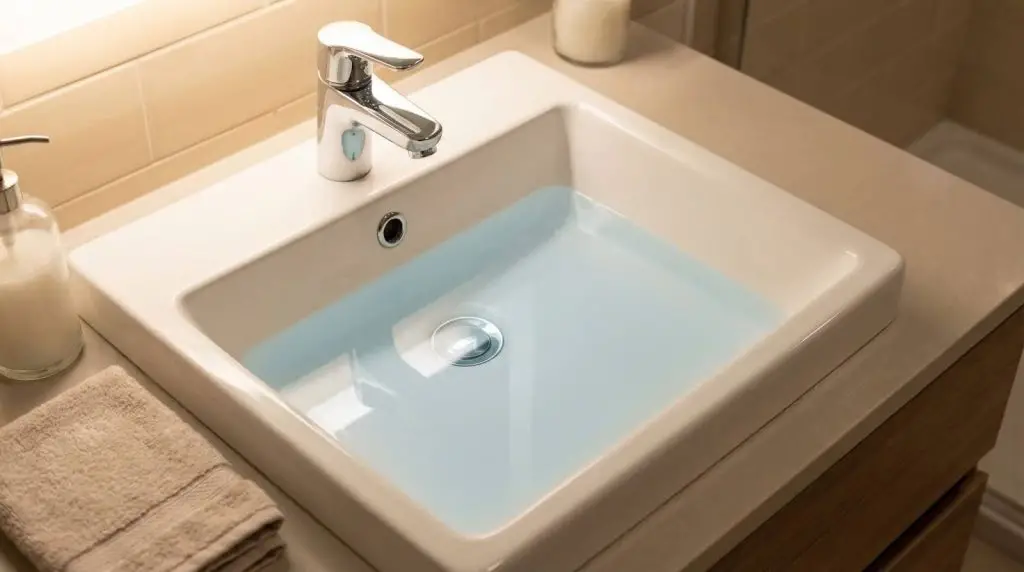
K L Contractor Plumbing Inc states that the most common cause of this problem is a clog in the drain line or the P trap under the sink. The clog often forms over time and starts as slow drainage. The drain may still work for a while, but the opening becomes smaller as debris collects. When that happens, water may stop draining fully and can rise back into the sink.
K L Contractor Plumbing Inc writes blog posts like this because homeowners deserve clear answers,” said Alex Laldin, Marketing Director at K L Contractor Plumbing Inc. “A bathroom sink that fills with water is not random. It is usually the drain system telling you that something is blocking the flow.”
The blog explains that standing water in the sink is usually the result of wastewater meeting resistance in the pipe. Instead of moving through the drain, the water hits the blockage and comes back up. The article describes several common scenarios. Some people see water in the basin even though no one has used the faucet. Some people notice backup when they use another sink or tub. Some homeowners deal with slow drainage for weeks before the sink suddenly stops draining.
The blog also identifies common causes of clogs in bathroom sinks. Hair is a major source of blockages. Soap scum and toothpaste often mix with hair and create thick buildup inside the pipe. Lotions and personal care products can add greasy residue. Small objects can also slip into the drain. The article mentions that jewelry, plastic caps, and cotton swabs can create a blockage that water cannot pass through. Older drain pipes can also contribute to the problem because rough pipe surfaces catch debris more easily.
The blog explains that the location of the clog matters. A clog near the sink drain usually affects one fixture. A deeper clog can affect more than one drain. When several fixtures back up at the same time, the problem may involve a branch line or the main drain line. The post encourages homeowners to pay attention to patterns, since one slow sink often has a different cause than multiple drains backing up in the same area.
K L Contractor Plumbing Inc also explains what is happening under the sink. The blog describes the pop-up stopper, the tailpiece, and the P trap, which is the curved section of pipe below the sink basin. The P trap holds water to block sewer gas from entering the home. The same design also makes the trap more likely to collect debris. Hair and other particles settle in the trap. Soap scum can stick to the pipe walls. The buildup narrows the opening and slows the flow. Over time, the clog can reach a point where water stops moving through the drain line.
“We want people to understand the system under the sink, because it helps them spot issues early,” said Laldin. “When the sink drains slowly, that is often the first warning. If you act early, you can prevent the sink from filling completely with standing water.”
The blog offers several safe checks that homeowners can try before calling a plumber. One step involves cleaning the pop-up stopper and clearing debris near the drain opening. The stopper often traps hair and buildup, which can cause slow drainage. The blog suggests using a flashlight to look into the drain and check for visible obstructions. This step can help homeowners remove small debris before it becomes a deeper clog.
The blog also discusses hot water use as a quick check. Hot water can help flush light buildup from soap and residue. The post notes that homeowners should avoid this step if the sink is already full of standing water, since overflow can occur. The blog also suggests using a small sink plunger for organic clogs near the top of the drain. The post explains that homeowners should plug the overflow hole during plunging to improve suction.
When light methods do not work, the blog describes the drain snake as a useful tool. A drain snake, also called a plumber’s snake or drain auger, can break up clogs inside the pipe. The blog shares the basic process that many plumbers follow. The homeowner should protect the work area, wear gloves, and place a bucket under the P trap. The user can feed the snake into the drain from the top after removing the stopper. If the snake hits resistance, that usually means it has reached the clog. Gentle work can help break up debris or pull it out of the line.
The blog also explains that removing the P trap can help in cases where a clog sits inside the trap. The homeowner can loosen slip nuts and remove the trap to clean it. The post explains that homeowners can then run the snake into the wall drain line if the clog is deeper. The blog encourages safe reassembly and testing to check for leaks after the trap is reinstalled.
K L Contractor Plumbing Inc also addresses natural solutions for lighter clogs. The blog suggests baking soda and white vinegar as a method that can help remove soap scum and light grease buildup. The mixture can foam and break down residue in the drain. The blog also describes boiling water use with caution. Very hot water can help in some cases, but homeowners should avoid damaging old pipes or questionable plastic connections. The blog warns against relying on chemical drain cleaners because harsh chemicals can harm pipes and cause long-term damage, especially in older plumbing systems.
The blog emphasizes that some warning signs point to a larger issue. The article explains that multiple slow drains can signal a deeper blockage in a larger branch line or main line. Gurgling sounds from a toilet can indicate pressure changes in the system. Tub backups can show that water cannot move through a shared drain line. The blog also explains that odors and repeated backups can signal deeper problems that need professional service.
“Our team sees many homes where the sink is only the first symptom,” said Laldin. “If water backs up in more than one fixture, that usually means the blockage sits deeper in the plumbing system. A professional inspection can prevent damage to floors, cabinets, and drain lines.”
K L Contractor Plumbing Inc notes that bathroom sink clogs differ from kitchen sink clogs. The blog explains that bathroom sinks usually collect hair and product residue, while kitchen sinks often clog due to grease and food waste. The post states that the goal is the same in both cases. Homeowners should keep solids out of drains and address slow drainage early before a full blockage forms.
The blog also includes prevention tips that focus on simple habits. Homeowners can use a drain screen to catch hair and debris. Homeowners can run hot water after shaving or washing to reduce buildup in the pipe. The blog recommends skipping heavy chemical drain cleaners and using safer methods for maintenance. The article states that quick action during early slow drainage can reduce repair costs and reduce water damage risk.
The blog closes by explaining when it is time to call a plumber. The article states that homeowners should seek professional help when basic steps do not work, when they are not comfortable removing the P trap, or when the clog keeps returning. The blog also advises calling a plumber when several fixtures back up at once or when a main line issue is possible.
K L Contractor Plumbing Inc serves homeowners in Marietta, East Cobb, and nearby areas in Cobb County. The company provides drain cleaning, clogged sink repair, and deeper drain diagnostics when needed. The company states that a typical service visit involves checking the sink drain, P trap, and nearby drain line, followed by mechanical cleaning with proper tools. The company also looks for signs of larger problems and provides practical advice that helps homeowners reduce repeat clogs.
K L Contractor Plumbing Inc is a plumbing company that serves Marietta, East Cobb, and surrounding areas in Cobb County, Georgia. The company provides residential plumbing services that help homeowners address drain problems, clogged sinks, slow drains, and water backup issues. The company also supports customers who need help with pipe inspections, repair planning, and ongoing plumbing maintenance. K L Contractor Plumbing Inc focuses on clear communication, practical service, and safe solutions that protect homes from water damage and recurring plumbing problems.
###
For more information about K L Contractor Plumbing Inc, contact the company here:
K L Contractor Plumbing Inc
Konstantin Lozovyi
404-637-2796
Contact@SteelToeDigital.com
4901 Olde Towne Pkwy Suite 100, Marietta, GA 30068

K L Contractor Plumbing Inc is proud to be Marietta's hometown plumber. We service all of Metro Atlanta.
Konstantin Lozovyi
4901 Olde Towne Pkwy Suite 100, Marietta, GA 30068
404-637-2796
Contact@SteelToeDigital.com
Visit Website