May 07, 2026
SMYRNA, GA - May 07, 2026 -
GrinderCrusherScreen has published a new wood grinder buying guide to help equipment buyers compare tub grinders and horizontal grinders based on material type, production goals, and end use. The guide was released on the company’s blog as operators in recycling, land clearing, composting, and wood waste processing continue to weigh machine choices tied to throughput, wear, and finished product needs.
The new resource explains the basic difference between wood grinders and wood chippers, then focuses on the two main grinder types used in recycling and land clearing work. According to the guide, both tub grinders and horizontal grinders use hammers to reduce material, but they feed and process material in different ways. That difference affects which machine is better suited for mixed debris, clean wood, high-volume production, or rough field conditions.
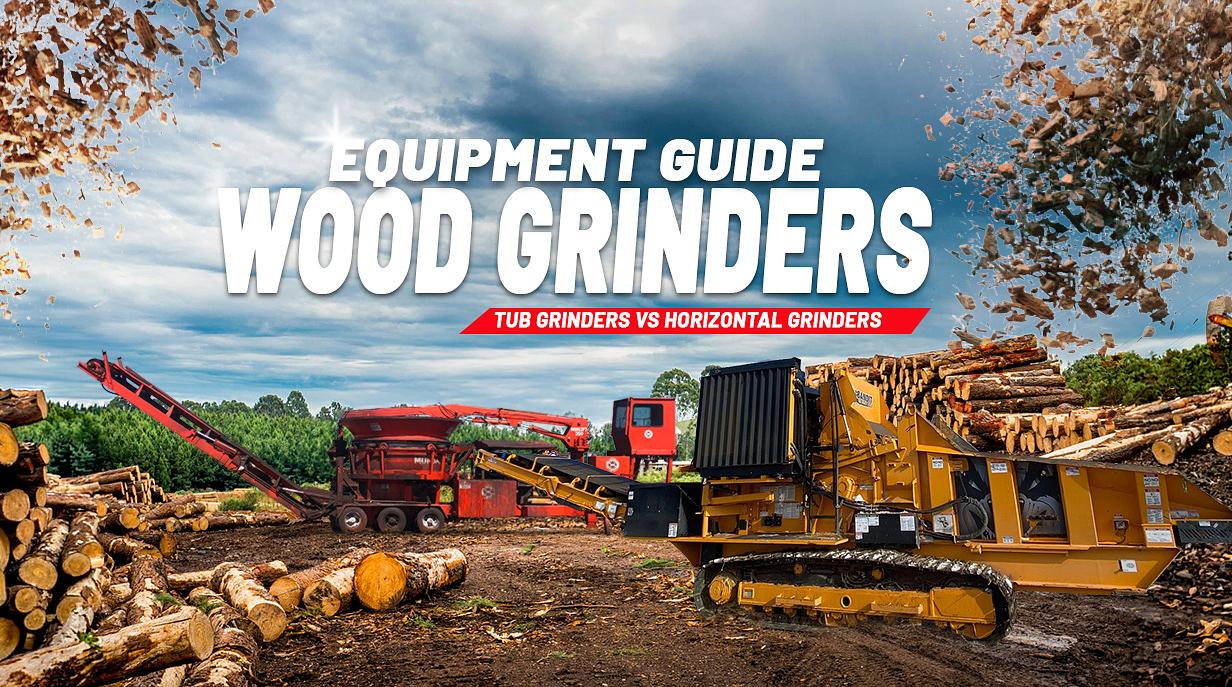
The guide states that tub grinders are often better matched to irregular and contaminated loads such as stumps, brush, root balls, pallets, and storm debris. It explains that the rotating tub allows operators to load oversized or tangled material without much pre-sorting. The article also notes that this type of machine can be useful for composting, land clearing, hay grinding, and pallet recycling, though output can be less uniform and hammer wear can rise when material includes dirt, rocks, or metal.
“Many buyers start with machine size, but the better first step is to look at the material pile and the product needed at the end,” said Alex Laldin, Marketing Director at GrinderCrusherScreen. “The goal of the guide is to give operators a plain explanation of how each grinder type fits different kinds of work before they move ahead with a purchase.”
For horizontal grinders, the guide points to a different operating pattern. It states that horizontal units feed material in a straight line through a conveyor or chain system and are generally used for clean, sorted wood where higher throughput and more even output matter. The article links this setup to mulch production, biomass fuel, sawmill waste, and clean wood recycling, while also warning that rocks and metal can cause costly damage if material is not sorted first.
The guide also compares machine factors that can shape a purchase decision beyond grinder type alone. It highlights engine horsepower, hammermill setup, feed system design, screen options, and mobility. In the article, GrinderCrusherScreen explains that horsepower should match both material type and expected daily tonnage, while hammer style and tip material can affect how well a machine handles either clean wood or dirtier loads.
Another section of the guide focuses on used equipment inspections. It advises buyers to review engine hours, inspect the hammermill shaft, examine wear liners, check the hydraulic system under load, and look for problems with the screen cradle and hammer wear. The post frames those checks as practical steps that can help buyers avoid major repair costs after a machine changes hands.
The article also addresses upkeep after purchase. It recommends checking hammer tips each day, following the maker’s grease schedule, keeping spare screens on hand, tracking service by engine hours instead of calendar days, inspecting wear liners at regular intervals, and watching hydraulic fluid temperature. The guide presents those steps as routine maintenance issues that can affect fuel use, output quality, and downtime.
In addition, the resource includes general throughput ranges for small and large grinders and explains how screen size, contamination, and material type can change production rates. It also outlines common brand names seen in the market, while stating that parts access and nearby service support should weigh heavily in any buying decision. The company notes in the article that brand alone does not determine long-term fit if local service is limited.
The blog post is part of a broader set of equipment guides published on the GrinderCrusherScreen website. By putting grinder selection, inspection, and maintenance details into one article, the company is framing the guide as a current educational resource for buyers who need a clearer starting point before choosing a machine for wood waste and recycling work.
GrinderCrusherScreen offers new and used recycling equipment, including grinders, crushers, trommel screens, and conveyors. The company also publishes equipment guides, brochures, and other reference material on its website.
###
For more information about GrinderCrusherScreen, contact the company here:
GrinderCrusherScreen
Rick Cohen
(770) 433-2670
Sales@GrinderCrusherScreen.com
1772 Corn Rd, Smyrna, GA 30080

GrinderCrusherScreen is a leading supplier of new and used recycling equipment, specializing in machinery for wood waste, concrete, and asphalt recycling.
Rick Cohen
1772 Corn Rd, Smyrna, GA 30080
(770) 433-2670
Sales@GrinderCrusherScreen.com
Visit Website